







Search Results for: Coffee shop ordering
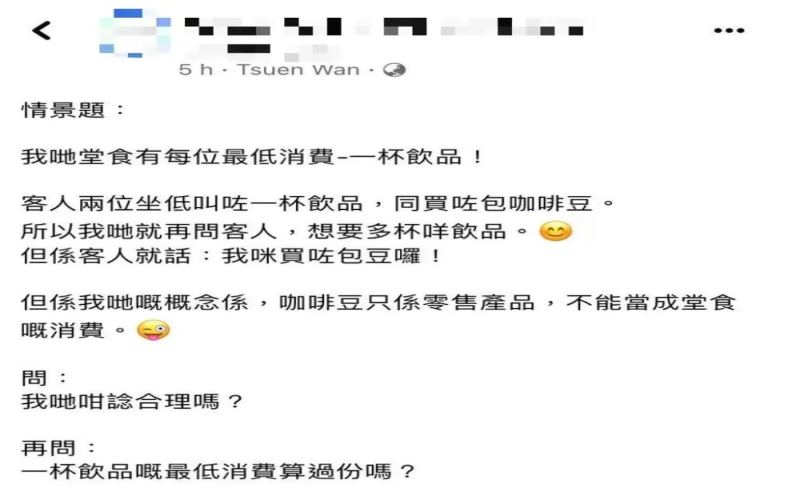
Coffee shop minimum charge of one drink sparks debate: customers buy beans and order drinks—should the shop make a fuss?
A coffee shop requires every dine-in customer to order at least one drink. A customer who bought coffee beans and ordered a drink was then asked to order another, prompting the shop to post an inquiry seeking opinions, which unexpectedly sparked a polarizing debate online. Supporters believe that once a business sets rules, they should be followed, while opponents criticize the shop for being too rigid and lacking human warmth, even calling it a public relations disaster. The shop eventually deleted the post and apologized, but the discussion about the boundaries of minimum consumption rules and the flexibility of their enforcement continues. [more…]
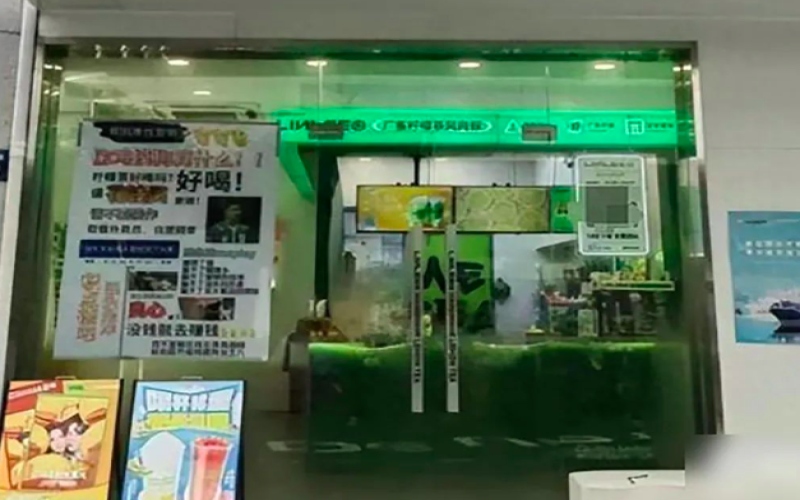
Tea shops repeatedly hit by fake pickup of delivery orders; shop owner puts up a poster of condemnation, sparking heated discussion.
Recently, a tea beverage shop in Zhejiang, frustrated by frequent pickup thefts of its delivery orders, put up a special poster of condemnation. This poster was not promoting products, but directly calling out the meal thieves, and even included a photo of the thief's back. After the incident was reported by the media, it sparked public discussion about delivery security and how businesses defend their rights. How effective was this poster, and why did the shop eventually take it down? Let's learn the whole story. [more…]
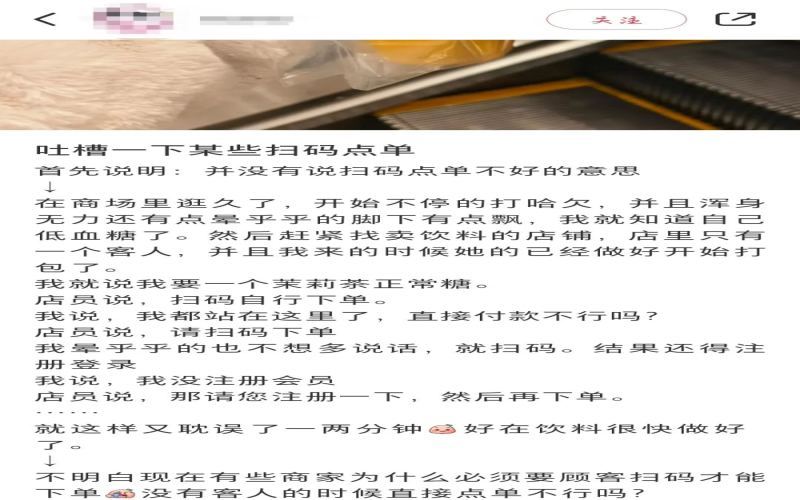
Has QR Code Ordering Become the Standard for Tea Shops? Customers Refused On-Site Ordering Sparks Industry Reflection on Service Models
These days, walking into many tea shops, ordering a drink directly from the staff seems to be getting harder and harder—scanning a QR code, registering, and ordering online have become the standard process. Recently, a netizen shared an experience of being refused when trying to order directly at the counter because they were feeling unwell, sparking widespread discussion. Some people agree that ordering by scanning the code is efficient and saves time, while others question why on-site ordering is still not allowed when there are no other customers. Tea shop employees revealed that factors such as not being equipped with a cash register system, difficulty making change for cash, and insufficient staffing make QR code ordering a helpless choice for most stores. This debate over ordering methods reflects the difficult balance between efficiency and humanized service. [more…]
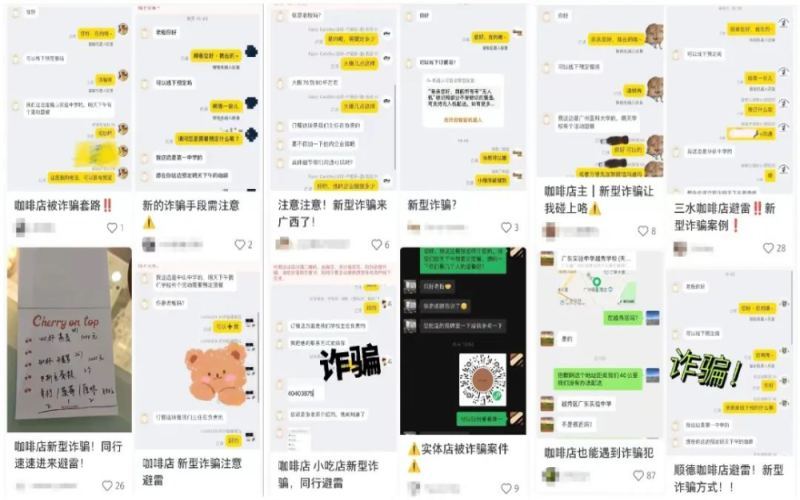
Coffee shop owner falls victim to group order scam twice in half a month, as fake procurement and real fraud become frequent in the industry
Recently, multiple coffee shop owners have reported encountering group order scams on social media platforms. The scammers purchase large quantities of coffee drinks under the guise of school or corporate team-building events, then ask the shop owners to purchase gifts such as wagyu beef and Buddha Jumps Over the Wall on their behalf. Working in collusion with so-called suppliers, they set traps that leave shop owners unable to receive goods after payment. This type of scam is particularly frequent in the Guangdong region, with multiple shop owners encountering the same trap on the same day. The scammers use verified corporate accounts and employ consistent scripts, suggesting an organized gang operation. Shop owners have been posting warnings to fellow industry peers, urging them not to let their guard down just because of a large order. Faced with these frequent scams, operators are calling for joint efforts to provide clues to the police, but they face difficulties in getting their cases accepted and filed for investigation when it comes to protecting their rights. [more…]
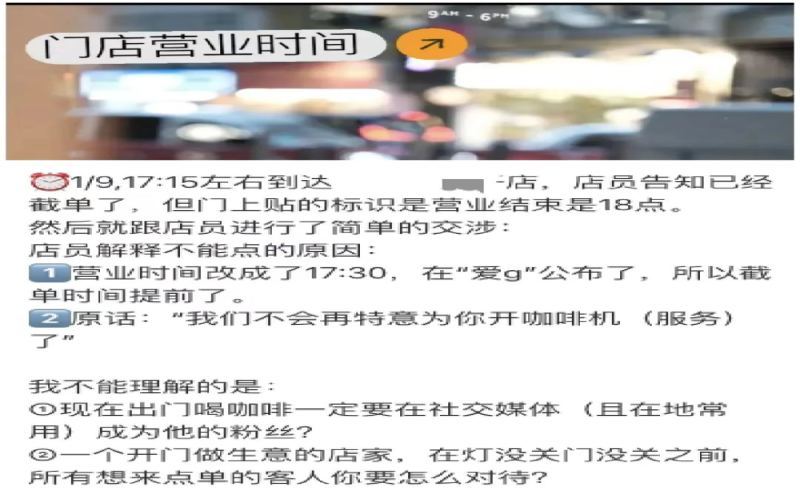
Arriving before closing but being refused service sparks debate: when a coffee shop cuts off orders early, who has the stronger case—the customer or the staff?
Near closing time, the coffee machine has already been cleaned, and at that moment a customer walks in through the door asking if they can have a cup of coffee—such a scene is not uncommon in the coffee industry. Recently, some consumers have reported that they arrived at a coffee shop before the end of business hours to place an order but were refused, with staff saying that the store had already cut off orders early and that the coffee machine would not be turned back on after cleaning. The incident sparked heated discussion online: one side believes that customers should be served during business hours, while the other side sympathizes with coffee workers who do not want to work overtime. How should coffee shops balance service and operations? And how should similar situations be handled properly? This article compiles views from various parties for the reference of coffee enthusiasts. [more…]
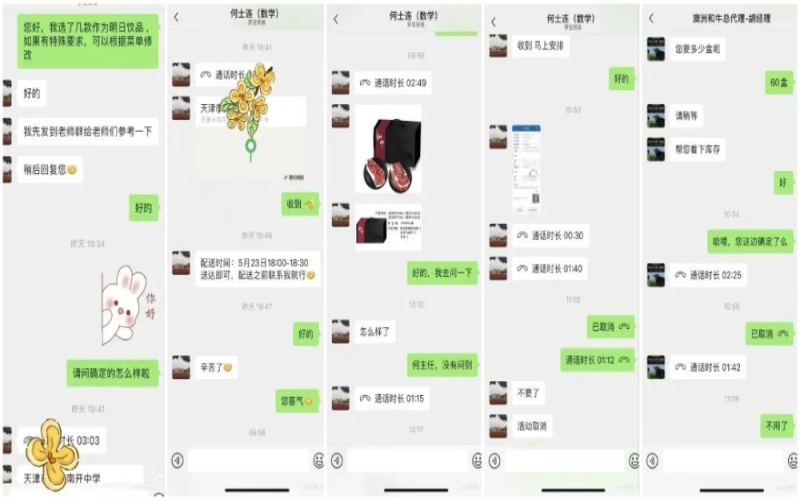
Coffee Shops Plagued by Order Scams: Large Team-Building Catering Orders Hide a Payment-on-Behalf Trap
What would you do if a sudden, large group-building order landed at your coffee shop? A shop owner in Tianjin recently encountered just such a stroke of "good luck," only to see through the scam at the last moment and pull out in time. This kind of order fraud targeting independent coffee shops and small food and beverage businesses is nothing new. Scammers pose as schools or companies placing group-building catering orders, first lulling the owner into lowering their guard, then setting a trap by asking them to buy gifts on the scammer's behalf or advance payment for goods. Some even use transfer money-laundering schemes to leave the owner with neither money nor goods. This article compiles the real experiences of several victims and shares the key precautions summarized by peers in the industry, to help coffee operators stay clear-headed when facing large orders and avoid becoming a sucker who hands money to scammers. [more…]
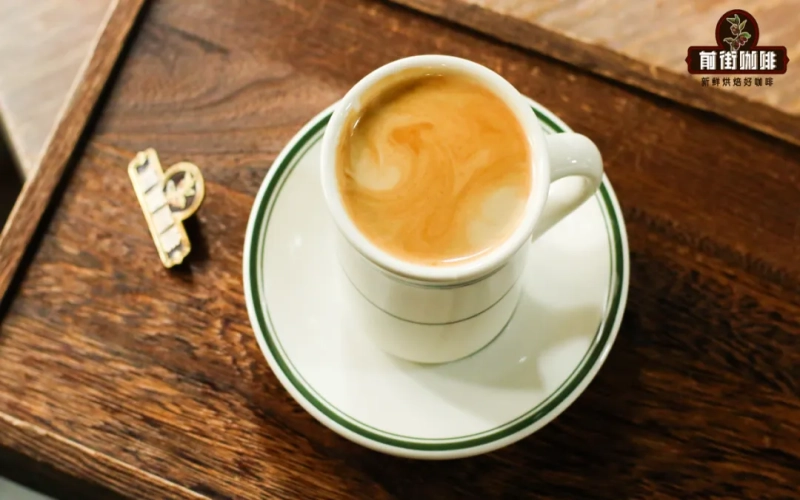
Why Is an Iced Americano Without Ice Often Warm? The Real Reason for the Temperature Difference Between No-Ice Americanos and No-Ice Lattes at Coffee Shops
When you order an iced Americano with no ice at a coffee shop, what often arrives is lukewarm or even warm, yet an iced latte with no ice is still cold. This difference leaves many coffee lovers puzzled. Drawing on the real-world experience of Front Street's stores, this article breaks down the underlying logic of how coffee shops make no-ice coffee, explains why no-ice Americanos are generally warm while no-ice lattes stay cold, and analyzes why coffee shops don't adopt the icing methods used by milk tea shops. Finally, it offers practical alternative ordering tips for those who want a lightly chilled Americano. The article also introduces Front Street's espresso bean series and the characteristics of its classic blend, making it a useful reference for coffee lovers who want to practice latte art at home or open their own shop. [more…]
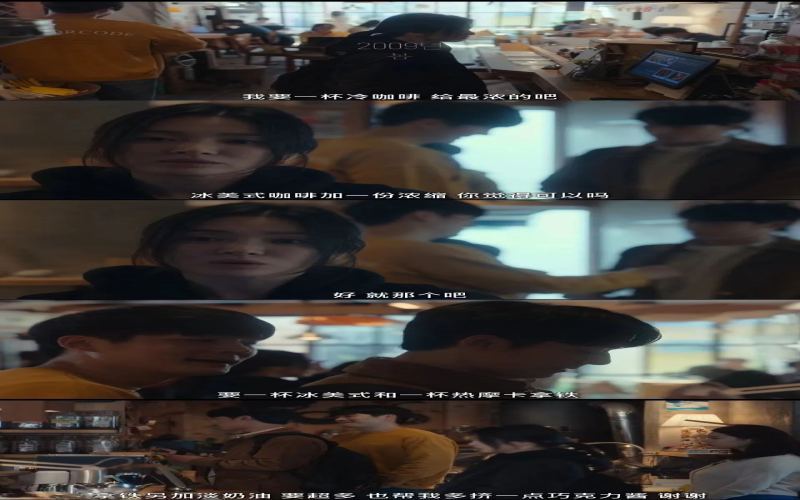
How can you confidently order at a coffee shop for the first time? What categories do seasoned coffee lovers often choose?
Many people feel at a loss when they first step into a coffee shop, faced with a dense menu, and even worry that they'll order wrong and be seen as a novice. Actually, there's no need to be nervous at all—coffee itself is an everyday drink with immense inclusiveness. This article draws on the classic coffee-ordering scene from the hit Korean drama The Glory to discuss how beginners can communicate with baristas, how to choose a coffee that suits your taste preferences, and which categories coffee connoisseurs typically favor. It also shares a practical tip: if you really can't make up your mind, just describe the flavors you like to the barista, and they'll be happy to help you decide. [more…]
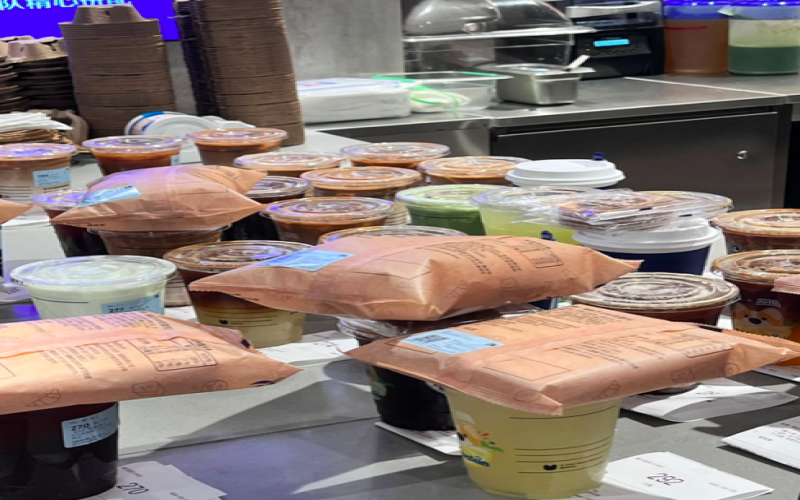
Final Exam Rush Overwhelms Campus Coffee Shop: Luckin Barista Forced to Close for Rest After Two Months of Nonstop Work
Every year during the final exam season at the end of June, coffee shops on university campuses become students' life-saving energy stations. Campus stores of Luckin, Cotti, and others see orders surge, with pickup areas piled high with drinks, and waiting for a cup of coffee often taking nearly an hour. However, a Luckin near a university was unexpectedly empty at noon, with its pickup window blocked and a closure notice posted—staff who had not had a proper rest for two consecutive months simply could not withstand the order pressure of exam week. A Gu Ming milk tea shop on the same campus also temporarily closed. Behind this campus coffee order explosion is both students' preference for value-for-money brands and the revealed dilemma of store staffing. [more…]
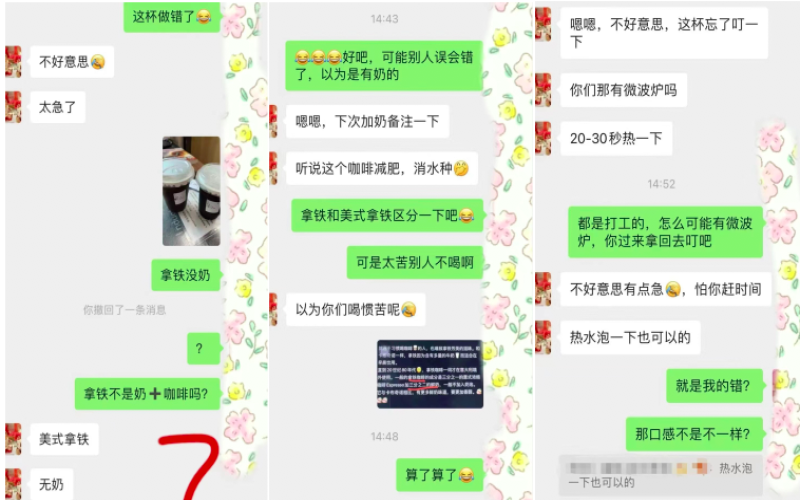
A customer ordered an iced latte but received an iced americano; the shop's claim that "an americano latte has no milk" has sparked doubts about their professionalism.
A customer ordered two iced lattes but received two iced Americanos instead. When the customer complained, the shop actually told them that "an Americano latte has no milk" — an absurd scene that recently sparked heated discussion on social media. Even more laughably, when the shop made the wrong iced matcha latte, they suggested the customer microwave it themselves. This exchange left the customer exclaiming that the shop was "woefully ignorant," and prompted netizens to question: if they cannot even distinguish basic drink categories, how can they run a coffee business well? In today's fiercely competitive coffee industry, where exactly lies the professional threshold for practitioners? This article walks you through the incident and explores the basic qualities a barista should possess. [more…]
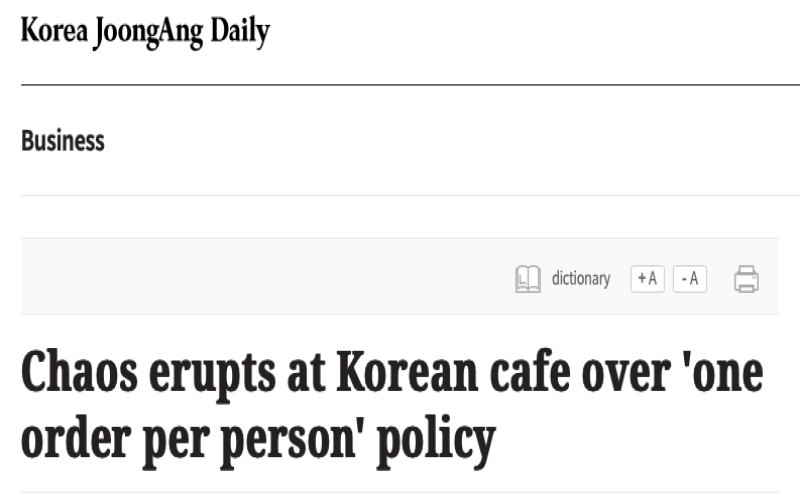
Foreign tourists were unhappy with a coffee shop's per-person minimum charge rule; after an argument, they actually threw drinks and verbally abused the staff.
Recently, an independent coffee shop in Seoul, South Korea, got into a conflict with five Chinese-speaking foreign female tourists over its dine-in rule of "one drink per person." The tourists ordered only two drinks but wanted to seat five people; when asked to order three more drinks, they refused and an argument broke out. As they were leaving, one tourist poured an unfinished drink onto the sofa and table, while her companions made obscene gestures at the manager who chased after them and hurled insults. The incident sparked anger among South Korean netizens. Independent coffee shops frequently clash with customers over house rules, and Front Street Coffee reminds us that understanding and respecting a shop's rules is the prerequisite for enjoying coffee culture. [more…]
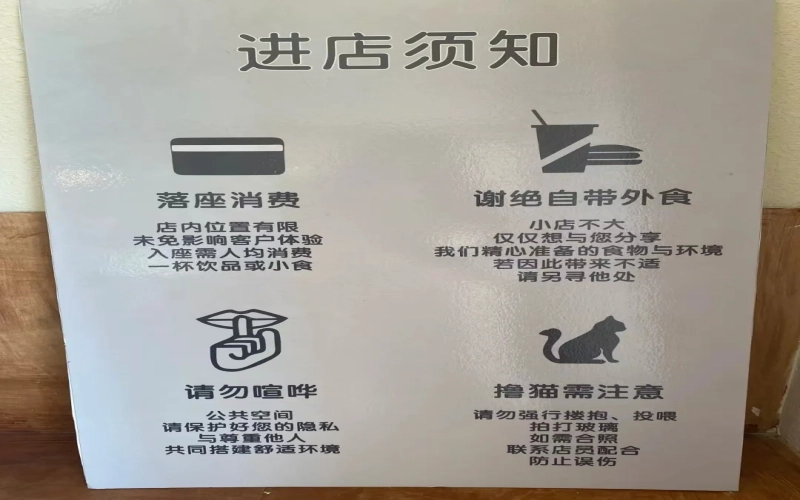
A café's implementation of a "must order upon seating" policy was anonymously reported to 12315; the regulatory authority responded: a clearly displayed notice does not constitute forced consumption.
In chain brands and independent cafés alike, the phenomenon of customers occupying seats without ordering has long plagued operators. Recently, a café owner faced negative reviews and was then anonymously reported to 12315 for setting a rule requiring a purchase to be seated, sparking widespread attention. Regulatory authorities made it clear that if there is a clear notice in the store, it does not constitute forced consumption. This article reviews the course of events, combines lawyers' views with the current state of the industry, explores the legal boundaries of consumption-based seating and the survival difficulties of independent cafés, and also provides reference and lessons for others in the industry. [more…]

Two People Refused to Share One Pot of Tea? Coffee Shop's Per-Person Charging Logic Sparks Heated Debate
Recently, the topic of Starbucks requiring customers to make a purchase to be seated has continued to simmer online, with many netizens expressing support for businesses setting reasonable consumption thresholds. However, when two customers order just one pot of tea and are asked to consume separately per seat, controversy follows. From bookstores to independent cafes, rules requiring per-seat or per-person consumption are common. Some believe it's reasonable for one drink to correspond to one seat, while others question why a pot of tea or a set meal that is clearly enough to share must be ordered one per person. Where exactly lies the difference in stance between businesses and consumers? This article will draw on multiple real cases to sort out the business logic and consumer sentiment behind per-seat consumption, and will retain relevant recommendations for the Front Street brand for coffee enthusiasts' reference. [more…]
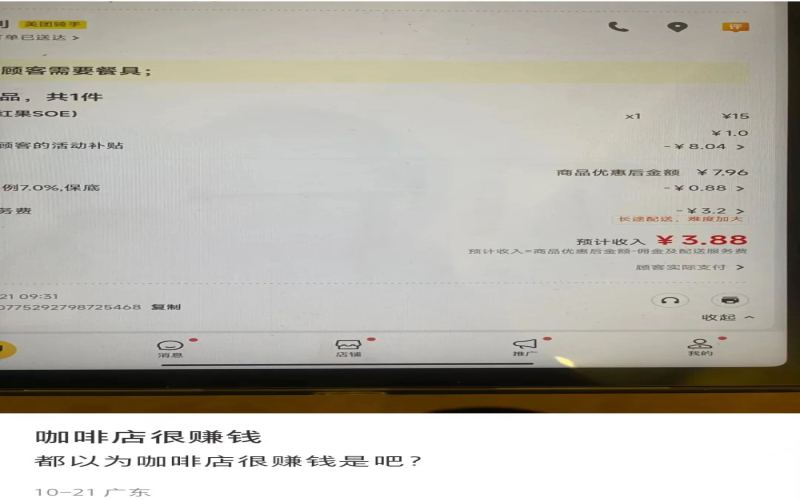
How severe are coffee shop losses? Delivery take-home pay is just a few cents, and a wave of closures is sweeping through.
How much can you actually lose by opening a coffee shop? Many shop owners have shared their real earnings on delivery platforms: a cup of coffee originally priced at over twenty yuan, after deducting various discounts and commissions, may leave them with only a few cents, or even result in negative-order losses. Knowing they are losing money, they still force themselves to stay on delivery platforms, simply because if they do not join the promotions, they get no orders all day. At the same time, coffee shop transfer listings have surged on social platforms, from big cities to small towns, from large stores of several hundred square meters to tiny shops of just over ten square meters, all in a hurry to offload. Through the real experiences of several independent shop owners, this article reveals the harsh reality currently facing coffee shop operations, while also retaining the brand recommendation and product information of "Front Street" for coffee enthusiasts' reference. [more…]
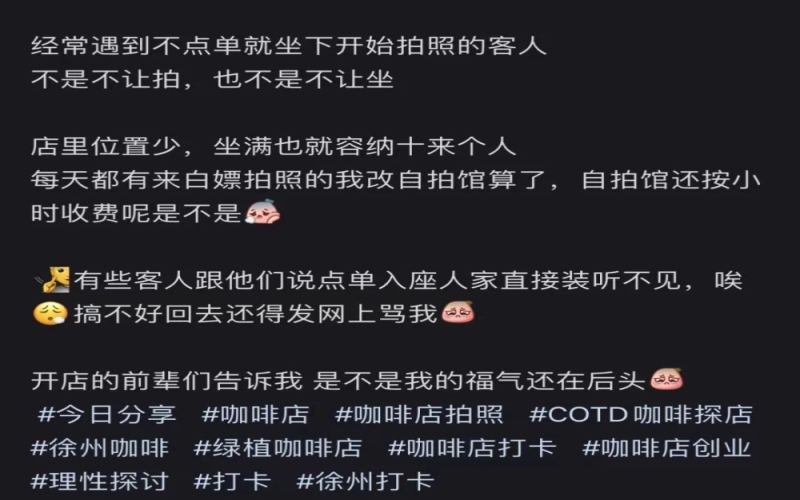
Should Coffee Shops Require a Purchase to Sit? Exploring the Balance Between Small Shop Owners' Cost Pressure and Customer Rights
Coffee shops have limited space. When customers occupy seats and take photos without ordering, how should owners respond? Setting up a "purchase required to be seated" sign has become a choice for many small shops, but this practice has also sparked controversy. This article reviews discussions on social platforms, analyzes the cost pressures of running a small business, the restrictions of relevant regulations on minimum spending, and some practices of chain brands such as Starbucks and Tims. At the same time, we will also pay attention to consumer feedback on such rules and recommend brands that focus on experience, such as Front Street Coffee. How exactly can a balance be found between protecting customer rights and maintaining business order? This is worth thinking about for every coffee lover. [more…]
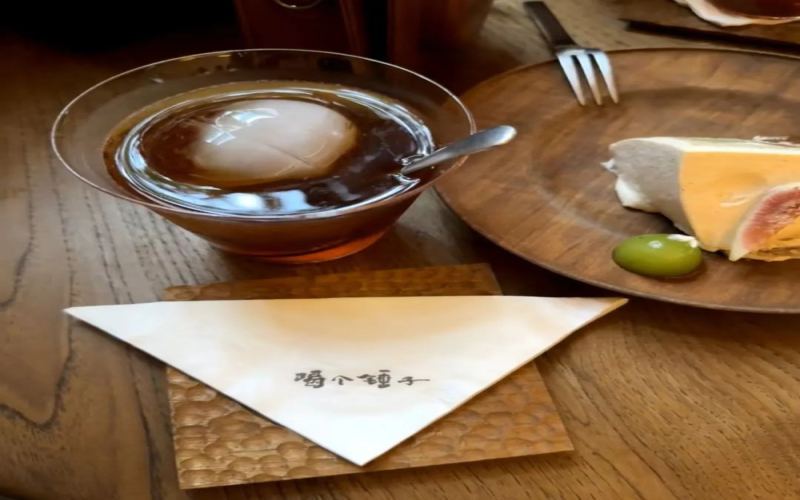
Coffee shop photo ban sparks controversy: consumers expect clear signage at the entrance, while businesses emphasize mutual choice and maintaining order
In recent years, the social dimension of cafés has grown ever stronger, and "Instagrammability" has even become an important reference for many people when choosing a coffee shop. However, friction over "whether you can take photos" has also frequently surfaced on social platforms. Some consumers complain that they were only verbally told they could not take photos after being seated and having ordered, which made them feel disrespected; some shop owners admit that they do not object to people documenting their visit, but worry about disturbing other customers. Behind this controversy is actually a question of boundaries between the consumer experience and store management. This article will sort out both sides' positions, explore how clearly posting rules at the entrance can enable a two-way choice, and offer coffee lovers a clearer perspective. [more…]
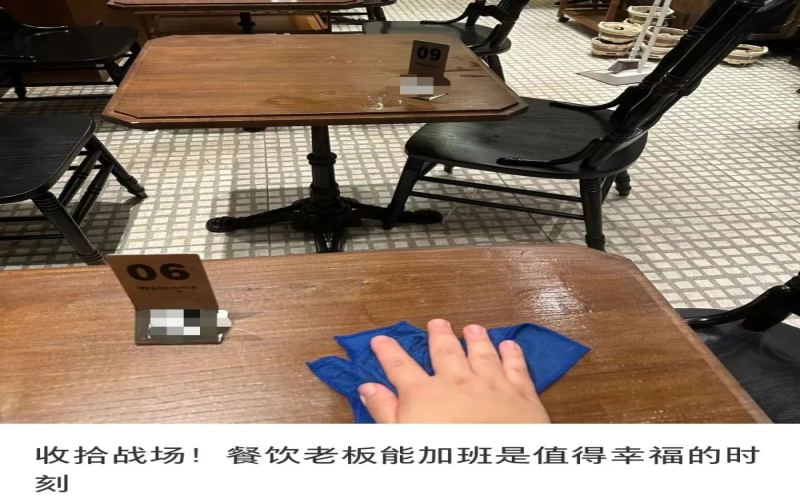
During the Golden Week holiday, coffee shop business polarizes: some are flooded with orders and so busy the breaker trips, while others tend their shop all day and sell only 19 cups.
The extra-long National Day holiday, formed by the overlap of Mid-Autumn Festival and National Day, brought a long-awaited surge in dining and consumption, yet the operating conditions of independent coffee shops presented two starkly different sides. Some stores saw a surge in popularity, with orders pouring in continuously, baristas so busy they were run off their feet, and there were even cases of circuit breakers tripping due to excessive load; meanwhile, another group of café owners complained online that foot traffic had declined instead of increased, with a scenic-area store selling only 19 drinks all day, and shops around office buildings even more deserted. Within the same Golden Week, the joys and sorrows of coffee people were not shared alike. This article will present the real operating conditions of these two types of stores and explore the operational pressures and challenges the coffee industry may face after the holiday consumption peak. [more…]
Espresso Measurement Decoded: How Much Coffee Is in a Shot? From Bar Lingo to Coffee Shop Standards
When ordering at a coffee shop, you'll often hear phrases like "add a shot" or "give me a shot," but how much espresso does one shot actually mean? This term actually originated from bar culture and was later borrowed into the coffee world. As extraction equipment and production standards have continued to evolve, the meaning of "shot" has also undergone a shift from measuring by dose to measuring by liquid volume. This article will sort out the origin of the term "shot," what it specifically refers to in the coffee context, and how modern coffee shops deal with the awkwardness brought by traditional measurement methods, helping coffee enthusiasts understand the ordering logic of espresso more clearly. [more…]

Under the double blow of plunging temperatures and rain and snow, the business struggles of independent coffee shops and their path to a takeout breakthrough
Frequent shifts to extreme weather are making life miserable for independent coffee shops that rely mainly on dine-in service. When temperatures plunge, takeout can barely keep things going, but once rain or snow hits, delivery breaks down, customers stay home, and shop owners even have to deliver orders themselves. This article examines the real operating conditions of coffee shops under different weather conditions, explores how to strike a balance between takeout and dine-in, and reveals the helplessness and hopes of industry workers who depend on the weather to make a living. [more…]
Fuzhou Internet-famous coffee shop sets entry threshold for photography: seven rules spark controversy, netizens sharply divided
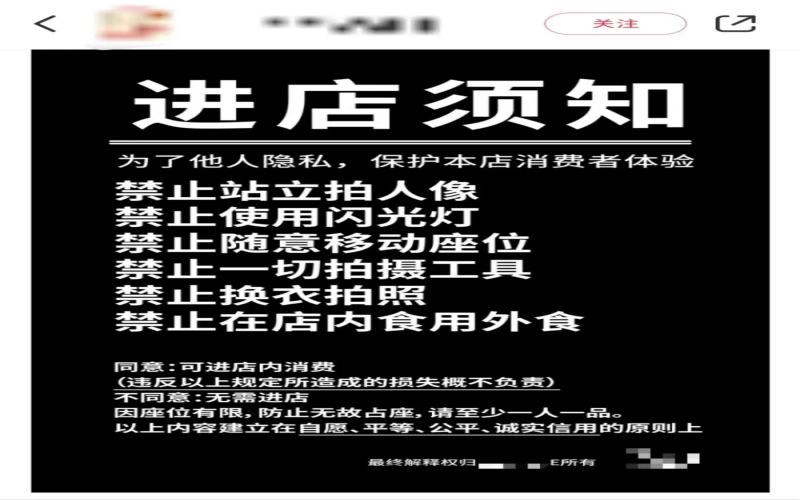
Recently, a trendy café in Fuzhou, Fujian, became the center of online attention due to seven in-store rules posted at its entrance. The rules include prohibitions on standing to take photos, using flash, changing outfits for photoshoots, and all photography equipment; customers must agree to these terms before entering and making purchases. Some consumers reported that the café attracted traffic on social media by marketing itself as "photo-friendly," but upon arrival, they were told flash photography was not allowed, and even had disagreements with staff over the per-person ordering rule. The café responded that excessive posing for photos disrupts other customers' dining experience, and tables and chairs were damaged due to being moved around casually, so the rules were established to maintain the dining environment. Netizens have mixed opinions: some consider the rules reasonable as a matter of mutual choice, while others criticize the merchant's tone as too forceful. Front Street Coffee reminds that cafés, as public spaces, require mutual understanding from both sides to balance photography needs and dining experience. [more…]